forgotten technology
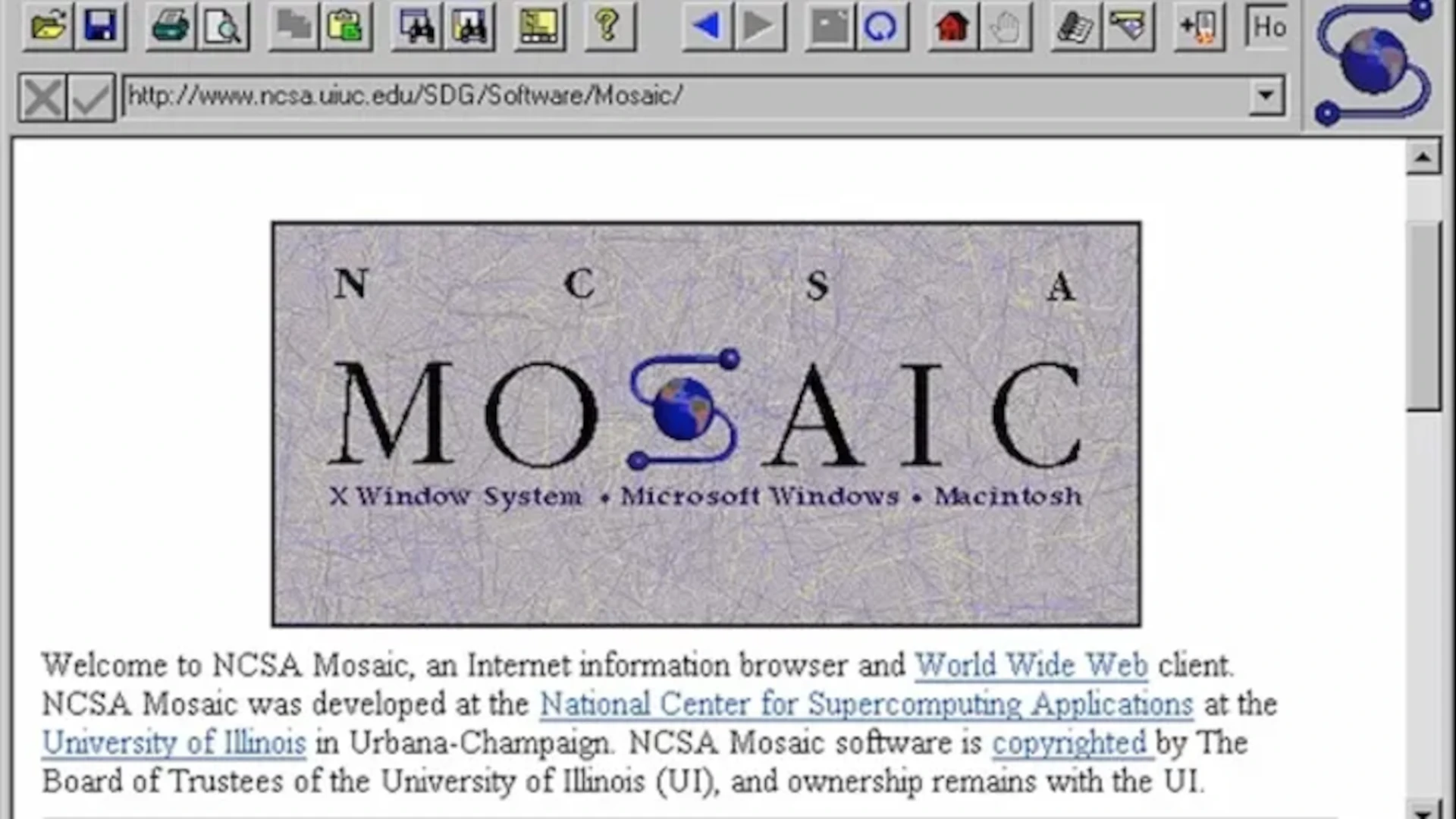
NCSA Mosaic
NCSA Mosaic, released in 1993, was the first popular graphical web browser, making the internet accessible to everyday users and paving the way for modern browsers like Netscape Navigator.
read more...
DVD
With HBO Max in Greece, I enjoy streaming but miss my DVD collection. We traded the beauty of tangible discs for convenience, losing ownership and the joy of a physical library in this digital age.
read more...
Google+
A post-mortem on Google+, the social media experiment that failed despite Google’s infinite resources. From forced YouTube integration to its 2019 shutdown, it remains a lesson in tech hubris.
read more...
Adobe Flash
Adobe Flash was the spark of the early web—games, animations, and chaos that defined a generation online. Now gone, it lives on in memory as the soul of a freer, wilder internet.
read more...
Slot CPU
Back in the day, some CPUs looked like adapter cards and slotted into the motherboard. Intel's Pentium II and AMD's Athlon used this design before sockets took over and cache moved on-die.
read more...
The Ball Mouse
The first computer mouse was invented in 1964 by Douglas Engelbart, a researcher at the Stanford Research Institute in the United States. The prototype was made of wood and featured two metal wheels to detect movement along the X and Y axes. Engelbart and his team were even awarded a patent for the mouse in 1970.
read more...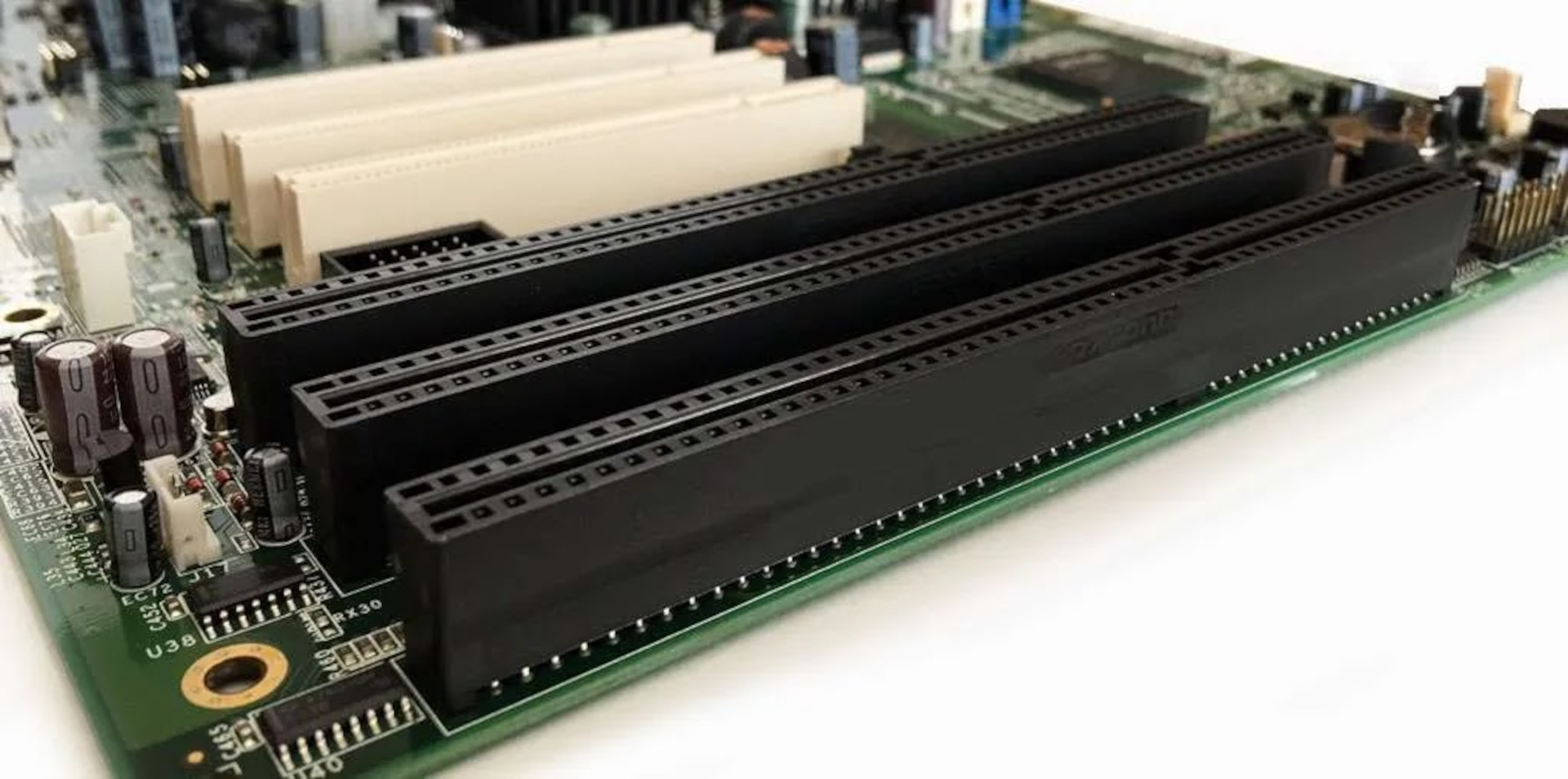
ISA slots
ISA (Industry Standard Architecture) slots were a significant part of the history of personal computer (PC) evolution, serving as a primary means for connecting various devices and expansion cards. Today, they have been replaced by newer technologies, such as PCI and PCIe.
read more...
The cassete tape
Today, to listen to a song, all we need to do is open YouTube, search for the title (or even lyrics if we don't remember the title), and within seconds, we are listening to the tune that's been stuck in our heads and we've been humming for the past 5 days. We can also, for free or with a subscription, listen to almost any album or perhaps even the entire discography of any band or artist. But 25 years ago, things were not like this.
read more...
Modem
Those who were lucky enough to grow up with internet at home, just like having running water, often have no idea what a modem was. They haven’t heard its sound, which we had associated with the very essence of the internet, nor do they know the frustration of someone in the house wanting to use the phone while the modem occupied the line to bring a picture of Pamela from the latest Playboy to our computer (the motto being: the internet is for porn).
read more...
Floppy disk
Before the Internet, DVD-ROMs, and CD-ROMs, the easiest and fastest way to transfer data between computers was the floppy disk. The floppy disk was a thin, flexible plastic object, either 3.5 inches or 5.25 inches in size, containing a magnetic disk inside its casing. Its maximum storage capacity was 1.44 MB—barely enough to hold even one MP3 song. Back then, however, storage needs were much less demanding than they are today.
read more...