2025

Google+
A post-mortem on Google+, the social media experiment that failed despite Google’s infinite resources. From forced YouTube integration to its 2019 shutdown, it remains a lesson in tech hubris.
read more...
The Chronicles of a Windows 11 Installation
A nostalgic rant about installing Windows 11: forced Microsoft accounts, endless security hoops, eternal driver installs, and the joy of trading simplicity and privacy for “modern convenience.”
read more...
The IT Crowd
A quirky British sitcom about two misfit IT guys and their tech-clueless manager, trapped in a chaotic office basement where every small problem spirals into hilarious disaster.
read more...
Halt and Catch Fire
Halt and Catch Fire follows a group of driven misfits shaping early computing and the internet, blending tech ambition, conflict, and emotion into a gripping, understated drama A modern classic Truly
read more...
Sorting Algorithms #4: Quick Sort
Quicksort is a fast, elegant divide-and-conquer algorithm that selects a pivot, partitions elements around it, recursively sorts the parts, and achieves efficient average performance with low memory use.
read more...
A brief history of my Linux experience
From my first encounter with Linux in 1997 to years of learning, frustration, and growth, I watched it evolve—powerful, chaotic, full of choice, yet never fully user-friendly for everyday life.
read more...
Music for Programmers
Music helps many programmers focus by blocking distractions. Instrumental, jazz, classical, and soundtracks boost concentration, while others prefer silence to stay mentally balanced.
read more...
Sorting Algorithms #3: Merge Sort
Merge Sort is an efficient divide-and-conquer algorithm that splits a list into halves, sorts them recursively, and merges them back together. It ensures stable, consistent O(n log n) performance.
read more...
Dangerous Software #2: RAF Chinook Helicopter
The 1994 RAF Chinook crash killed 29 amid concerns over faulty FADEC software. Initially blamed on pilots, later inquiries highlighted software flaws in safety-critical military systems.
read more...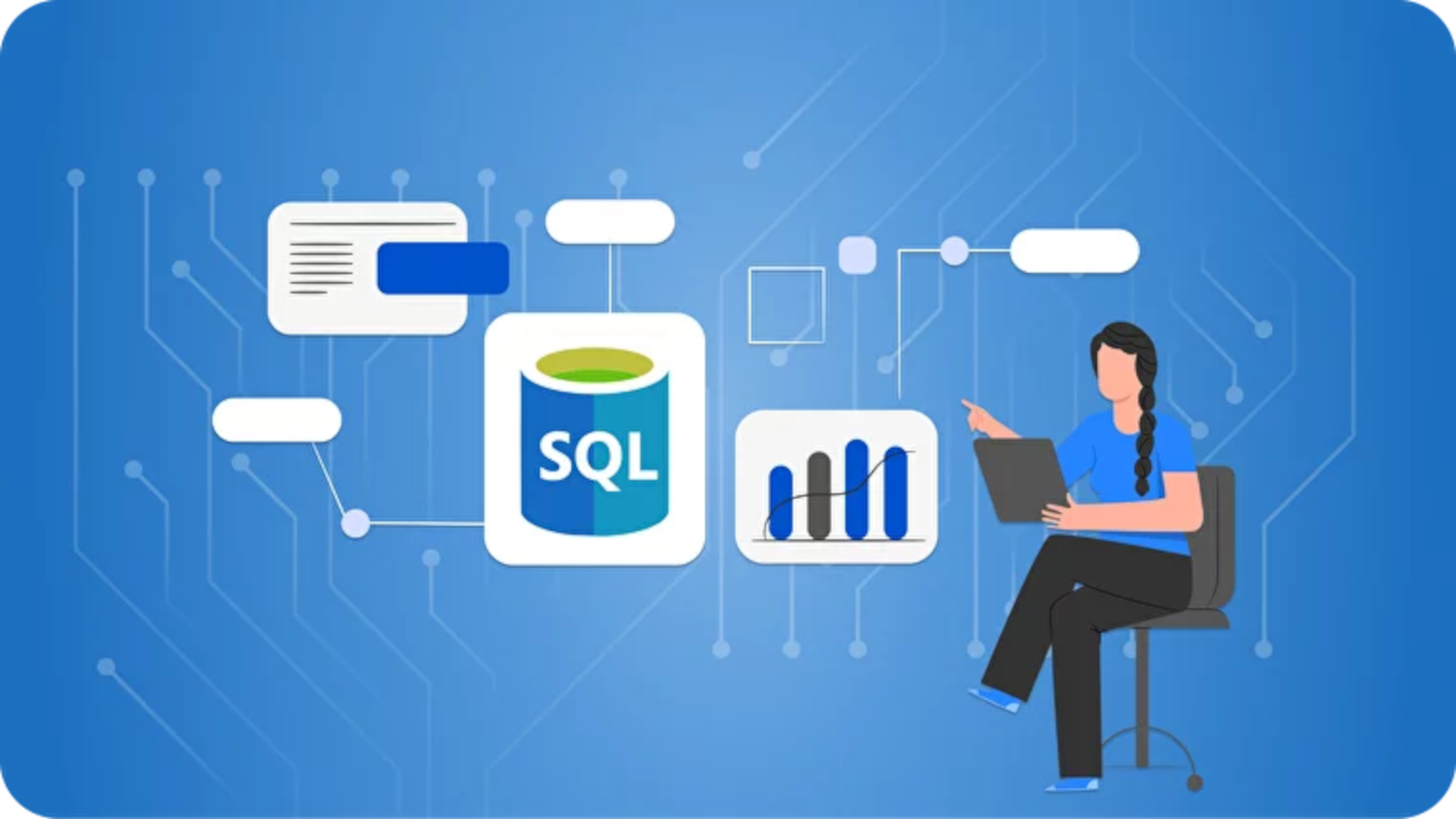
Three (3) Tips for efficient SQL Queries
Handling SQL queries on huge tables can be painful. Learn key tips: use indexes wisely, select only needed columns, and write efficient WHERE clauses to speed up queries and save resources.
read more...
Basics of HTTP
HTTP (Hypertext Transfer Protocol) enables web communication, transferring data between clients and servers. It works via requests and responses, uses methods like GET/POST, returns status codes (200, 404, 500), and powers web pages, APIs, file transfers, and forms.
read more...
Eric S. Raymond
Eric S. Raymond is an American programmer, author, and open source advocate, best known for The Cathedral and the Bazaar and co-founding the Open Source Initiative.
read more...
Adobe Flash
Adobe Flash was the spark of the early web—games, animations, and chaos that defined a generation online. Now gone, it lives on in memory as the soul of a freer, wilder internet.
read more...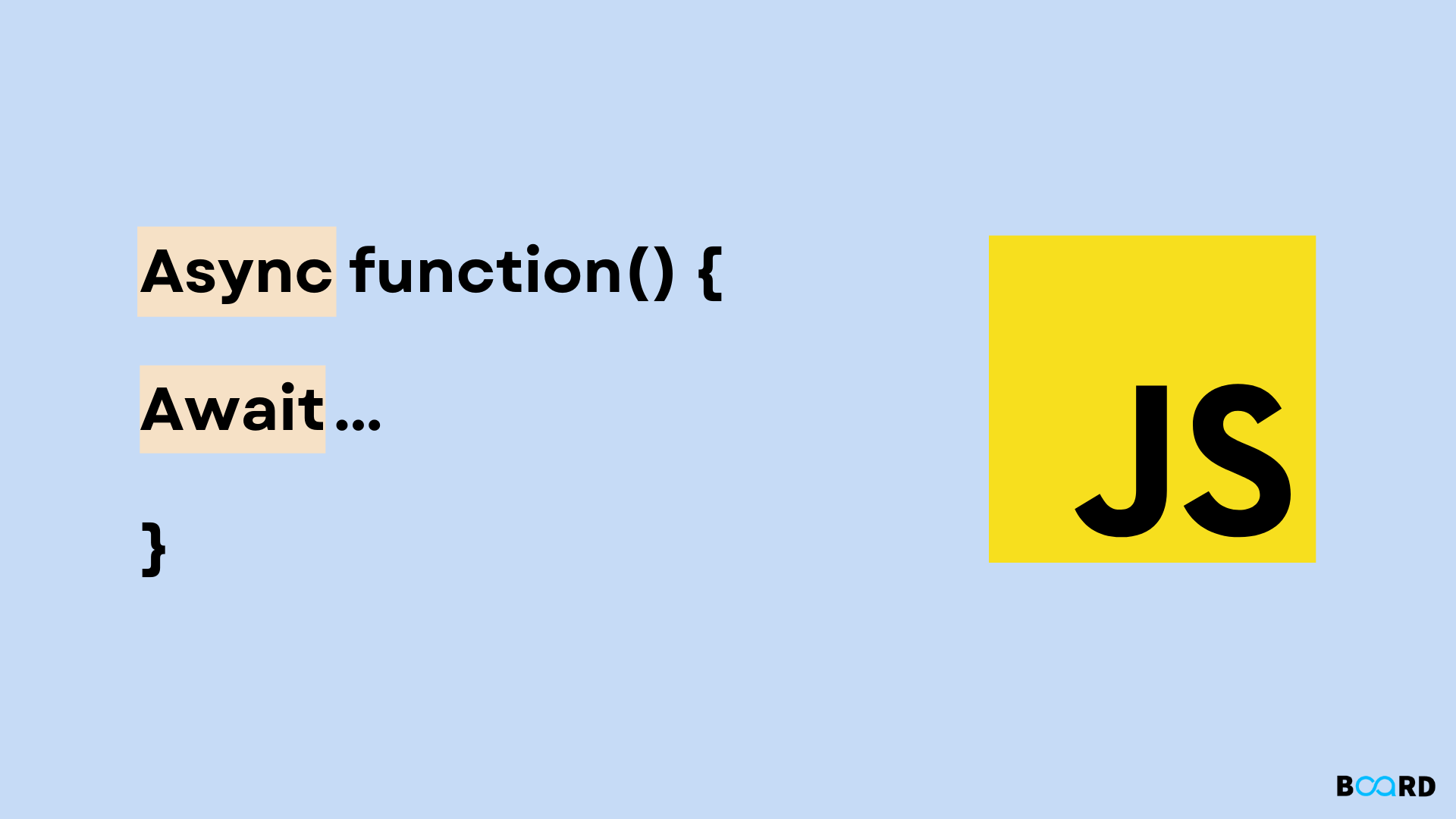
async - await
async and await in JavaScript make asynchronous code easier to read. async marks a function as returning a Promise, while await pauses execution until the Promise resolves.
read more...
A Programmers Guide to Stress
Programming isn’t just code and deadlines—it’s stress, life challenges, and balance. Stoic philosophy and meditation can help programmers find clarity and peace in daily life.
read more...
The Facade Pattern
A Facade provides a simple, unified interface to complex subsystems, hiding their details and reducing coupling, while a Service encapsulates and executes specific business logic.
read more...
Strategy Design Pattern
The Strategy Pattern lets you switch algorithms dynamically. Learn its benefits with a clear PHP example, improving flexibility, maintainability, and clean code architecture.
read more...
Programmers, Get Moving: Your Brain Depends on It
A reminder for programmers to stay active daily—just 15 minutes of movement can boost brain health and counteract the negative effects of prolonged sitting. Your future self will thank you.
read more...
Slot CPU
Back in the day, some CPUs looked like adapter cards and slotted into the motherboard. Intel's Pentium II and AMD's Athlon used this design before sockets took over and cache moved on-die.
read more...
The Law of Demeter
The Law of Demeter advises objects to only talk to their immediate friends—avoiding chained calls—to reduce coupling and improve code modularity, maintainability, and flexibility.
read more...
Binary Search Tree Data Structures
A Binary Search Tree (BST) is a node-based structure where left children are smaller and right are larger, enabling efficient searching, insertion, and deletion in sorted data.
read more...
Ada Lovelace
Ada Lovelace, the first computer programmer, wrote the first algorithm for Babbage's Analytical Engine, laying the groundwork for modern computing and the concept of software.
read more...
Trie Data Structures
A trie (pronounced try) is a type of search tree—more specifically, a prefix tree—used to store a dynamic set of strings where common prefixes are shared.
read more...
Binary Heap Data Structures
Efficient overview of binary heaps, including min/max heap operations, array implementation, heapify, and usage in priority queues.
read more...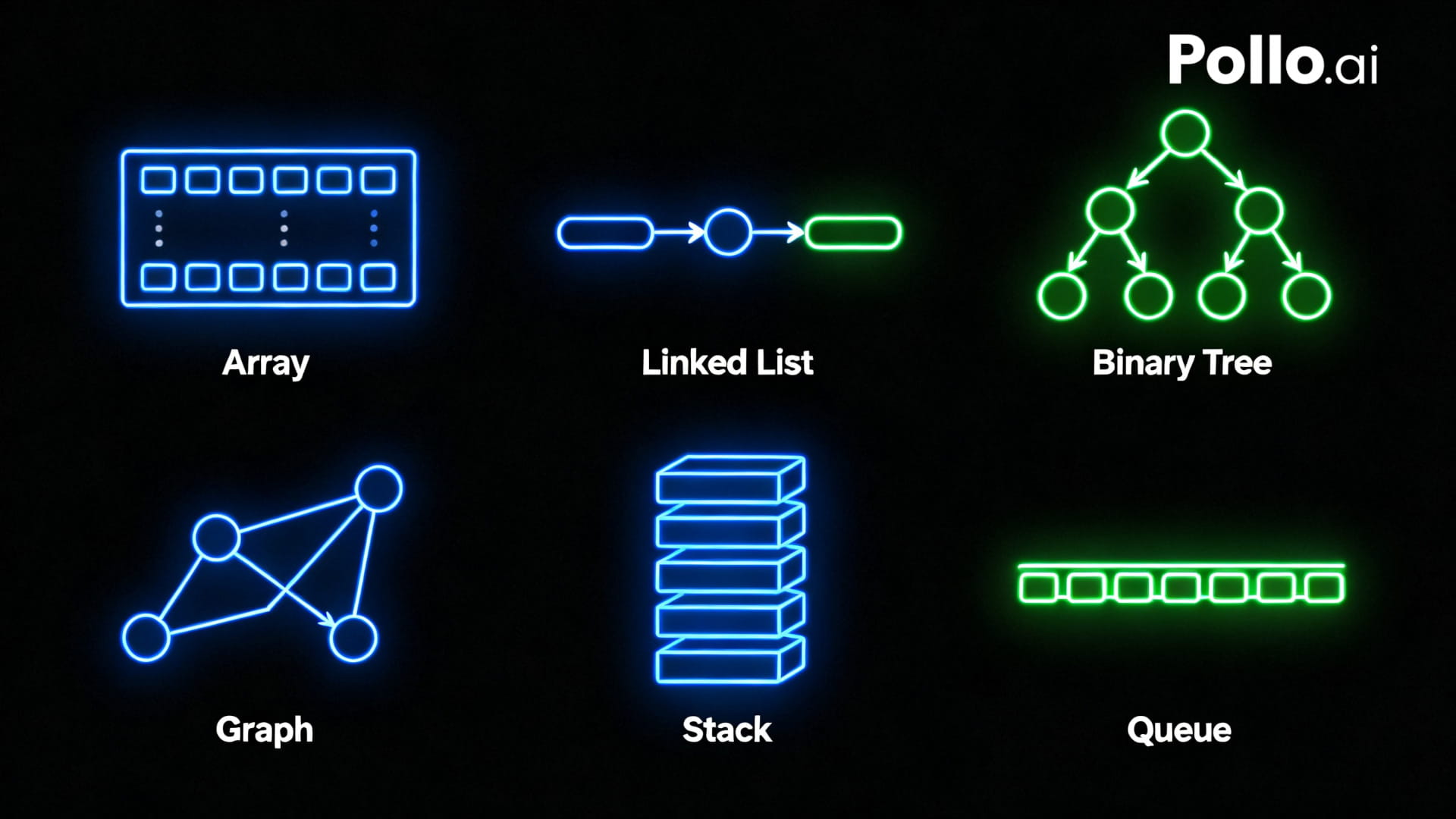
Linked Lists Data Structures
A Linked List is a dynamic data structure where elements (nodes) are stored non-contiguously. Each node holds data and a pointer to the next, allowing for efficient insertions and deletions.
read more...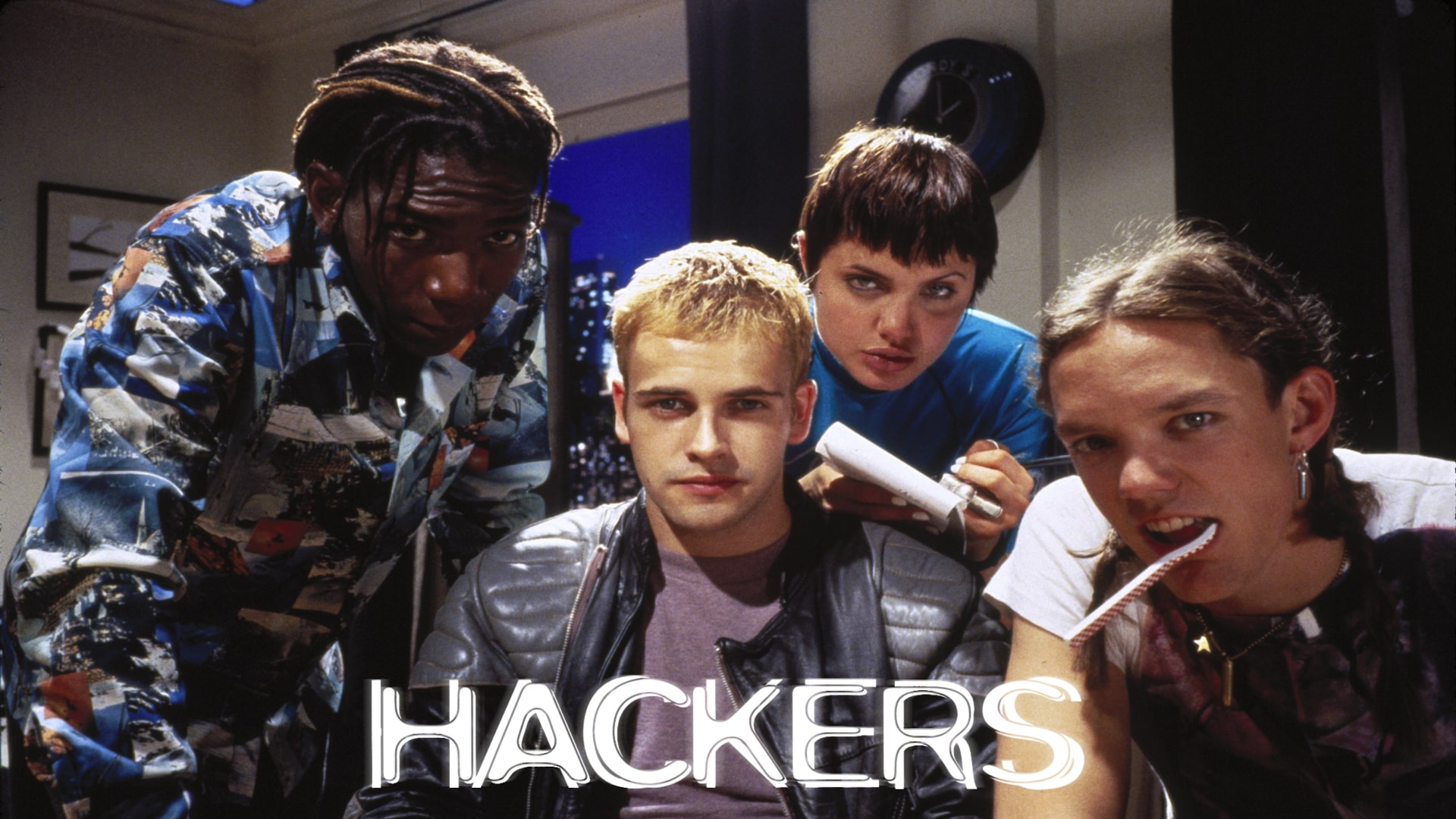
Computer Science Movies #3: Hackers
Teenage hackers discover a criminal conspiracy with plans to use a computer virus that will capsize five oil tankers.
read more...
Singleton Pattern
The Singleton Pattern is a creational design pattern that ensures a class has only one instance and provides a global point of access to that instance
read more...
My IDE Journey
A personal journey through text editors and IDEs, from Notepad++ and Vim to Sublime Text and JetBrains products like PHPStorm, IntelliJ, and PyCharm. Discover the evolution of a developer’s toolkit.
read more...
Terry Davis - A Tortured Genius
Terry A. Davis, a brilliant programmer with schizophrenia, created Temple OS. He lived a tragic life, facing struggles, and passed away at 48.
read more...
Code Kata: The Art of Code
Improve programming skills with Code Katas: practice Test Driven Development and refine coding.
read more...
Sorting Algorithms #2: Insertion Sort
Sorting algorithms are a set of algorithms that help us arrange data in ascending or descending order. They are fundamental to computer science, and the differences between them mainly lie in their time complexity and space complexity, which determine their suitability for handling larger datasets.
read more...
Three sites that will make you a better developer
As a developer you must always expand your knowledge. Learn about security, git and sql by visiting these three sites.
read more...
How SSH (Secure Shell) Works
The Secure Shell (SSH) protocol sets up encrypted connections for remote logins and file transfers between computers. SSH also enables tunneling. Learn how SSH works.
read more...
Computer Science Movies #2: Operation Takedown
Discover Operation Takedown (2000), a cybercrime thriller based on the real-life capture of hacker Kevin Mitnick. Starring Skeet Ulrich and Russell Wong, the film follows Mitnick’s high-stakes battle against cybersecurity expert Tsutomu Shimomura and the FBI. While the movie dramatizes Mitnick’s exploits, critics argue it unfairly vilifies him. Explore the film’s accuracy, controversies, and its impact on hacker culture. Directed by Joe Chappelle, Takedown remains a must-watch for cybersecurity enthusiasts and tech history buffs. Read more about its plot, criticism, and my personal experience watching this elusive movie.
read more...
Raw thoughts on AI
Exploring the impact of artificial intelligence on creativity, intellectual property, and ethics. Discover AI’s role in data, law, and innovation while questioning its limitations and future potential.
read more...
Richard Stallman
Discover the life and contributions of Richard Stallman, the founder of the Free Software Movement and the GNU Project. Learn about his influence on open-source software, ethical programming, and software freedom. Explore Stallman’s early life, groundbreaking projects like GNU Emacs and GCC, his advocacy for digital rights, and the controversies surrounding his career. A comprehensive guide to Stallman's impact on the tech world and the philosophy of free software.
read more...
Addiction to Computers...in 1980
This article explores the evolution of computer addiction from 1980 to 2020, highlighting the shift from a focus on creativity, learning, and problem-solving to today’s addiction driven by social media, communication, and lifestyle sharing. It examines how technology's role in daily life has changed and speculates on future trends in technology use and human behavior.
read more...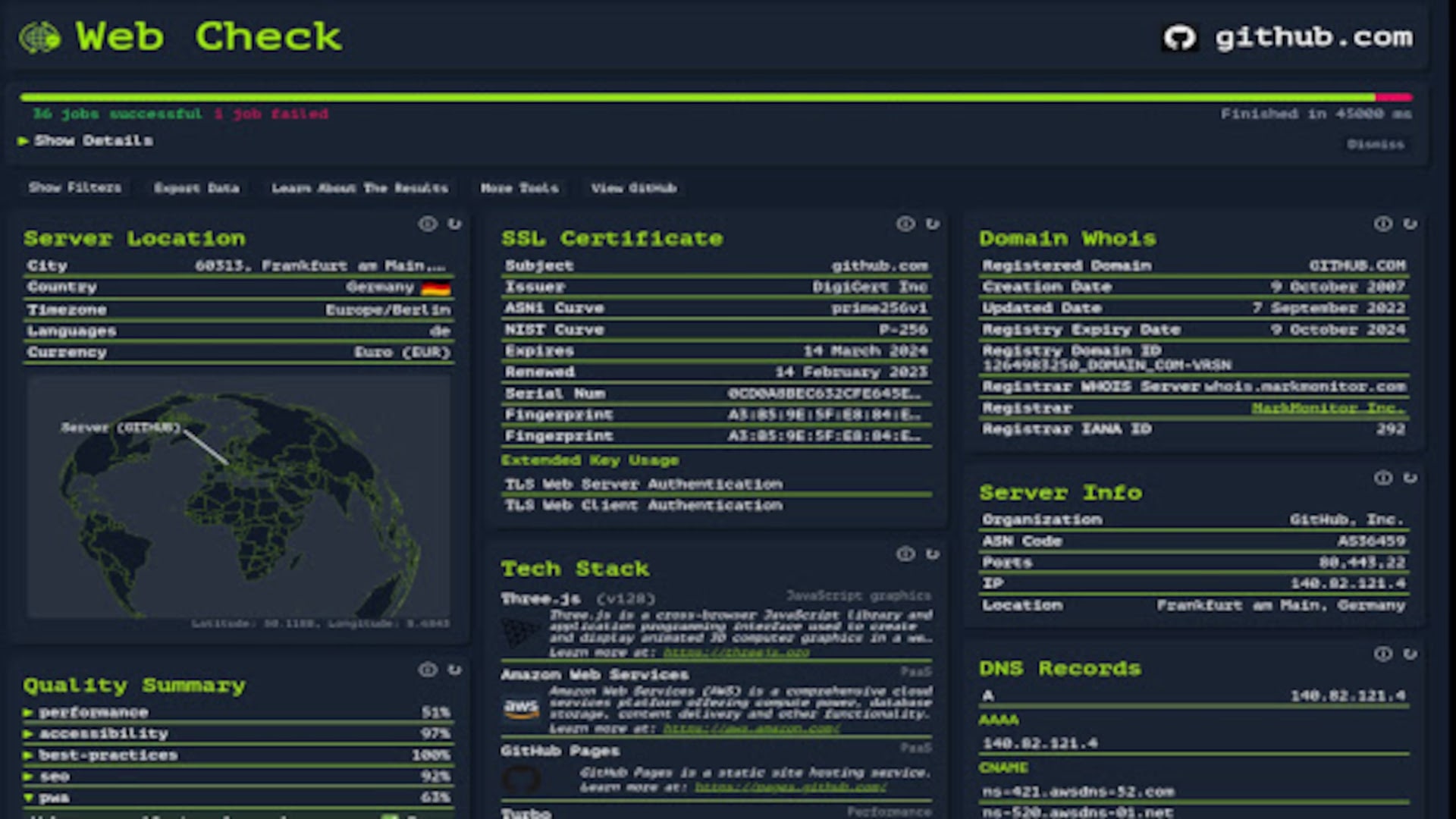
WebCheck: Discover What Hackers Know About Your Site
There are times when you'd like to know what all those hackers know about your site that you might be unaware of. So, you fire up 5-6 tools on your computer, open browser tabs with helpful sites, and start getting lost in applications and data that you're trying to organize somehow.
read more...
The Ball Mouse
The first computer mouse was invented in 1964 by Douglas Engelbart, a researcher at the Stanford Research Institute in the United States. The prototype was made of wood and featured two metal wheels to detect movement along the X and Y axes. Engelbart and his team were even awarded a patent for the mouse in 1970.
read more...
What is JWT (JSON Web Token)?
The JWT (JSON Web Token) is a self-contained means of securely transferring information between two parties. It is often used to verify user identity in web applications.
read more...